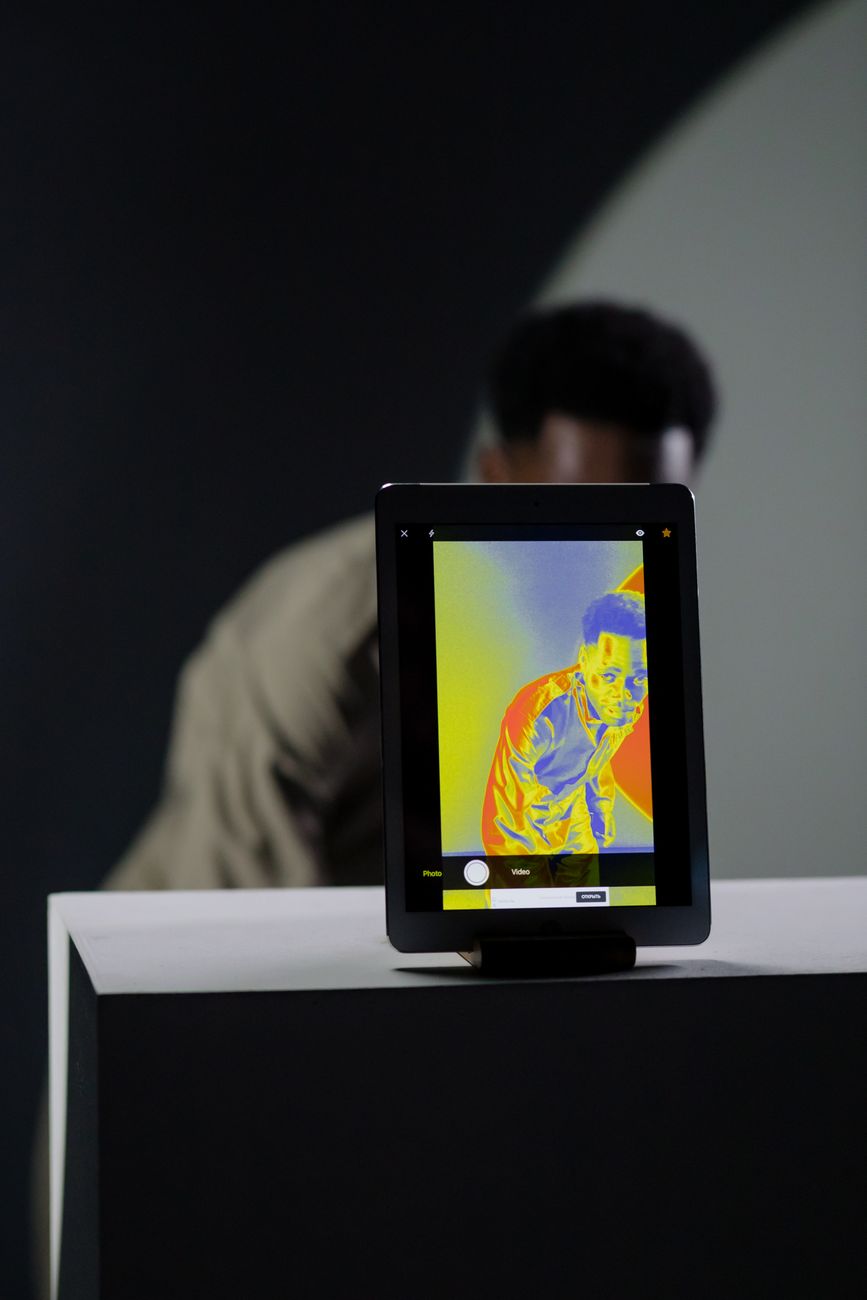
Thermal Imaging Leak Detection London
Our FLIR infrared cameras see what the naked eye cannot. We detect hidden water leaks behind walls, under floors, and inside ceilings without removing a single tile or board. Fast, accurate, and completely non-invasive.
07456 975436Thermal imaging leak detection uses FLIR infrared cameras to find hidden water leaks by detecting temperature differences behind walls and under floors. Surveys start from £150 in London and take one to two hours. The method is completely non-invasive and results are available immediately.
How FLIR Thermal Imaging Detects Hidden Leaks
Every object emits infrared radiation based on its temperature. When water leaks from a pipe behind a wall or under a floor, it changes the surface temperature of the surrounding materials. These temperature changes are invisible to the naked eye, but a FLIR thermal imaging camera captures them in vivid detail.
Our engineers use professional-grade FLIR cameras capable of detecting temperature differences as small as 0.05 degrees Celsius. A leaking hot water pipe creates a warm area on the surface above it. A cold water leak appears as a cooler zone. Even the evaporation of water from a slow drip creates a distinct thermal pattern that our cameras pick up instantly.
The beauty of thermal imaging is speed. We can scan an entire room in minutes and immediately see whether moisture is present behind the surfaces. This makes it far quicker than traditional methods where you would need to open up walls and floors to investigate. For a comprehensive approach, we often combine thermal imaging with our acoustic leak detection service to confirm findings and pinpoint the exact pipe failure.
What Thermal Imaging Can Detect
Leaks Behind Walls
Water escaping from pipes inside wall cavities changes the surface temperature of the plaster or plasterboard. Our cameras detect these temperature variations and map the moisture pattern, allowing us to trace the leak back to its source without removing any wall covering.
Under-Floor Pipe Leaks
Hot water pipes running beneath floor screeds, tiles, or floorboards create thermal signatures when they leak. This is particularly useful for detecting leaks in underfloor heating systems where the pipes are buried in concrete. Our thermal survey identifies the exact location of the leak before any floor is lifted.
Ceiling and Flat Roof Leaks
Water ingress through flat roofs or from above-floor plumbing creates damp patches that show clearly on thermal imaging. We can map the full extent of the moisture and identify where the water is entering, which is often not directly above the visible damp patch.
Central Heating Pipe Leaks
Heating pipes running under floors or through walls create hot spots when they leak. Thermal imaging is ideal for locating these because the temperature difference between the heated water and the surrounding structure is significant and easy to detect.
Advantages Over Traditional Leak Detection
Before thermal imaging technology became available to the plumbing industry, finding a hidden leak meant a process of elimination that often involved cutting into walls, lifting floorboards, and removing tiles. This exploratory approach was time-consuming, expensive, and caused significant damage that then needed to be repaired.
Thermal imaging changes everything. Our FLIR cameras scan surfaces in real time and produce an immediate heat map showing where moisture is present. There is no drilling, no cutting, and no mess. The entire survey is completely non-destructive. You see the results on screen as we work, so you know exactly what we are finding and where.
- Zero damage to your property during the survey
- Results visible in real time on the camera screen
- Entire rooms scanned in minutes rather than hours
- Detects moisture that is not yet visible to the eye
- Works through plaster, tiles, wood, and screeds
- Full photographic report produced on site
The Step-by-Step Process
Initial Assessment
We inspect the property, check water meter readings, and discuss the symptoms you have noticed to plan the survey.
Thermal Scan
Our FLIR camera scans walls, floors, and ceilings in the affected areas, detecting temperature variations as small as 0.05 degrees.
Analysis and Mapping
Thermal images are analysed to identify moisture patterns and trace them back to the leak source with precision.
Confirmation
Where needed, we confirm findings using acoustic detection or moisture meters to give you absolute certainty.
Report and Repair
You receive a full insurance-grade report. Where possible, the leak is repaired during the same visit.
When to Combine Thermal Imaging with Other Methods
Thermal imaging is highly effective as a standalone method for most domestic leaks. However, there are situations where combining it with other detection technologies gives even better results. For leaks buried deep under concrete slabs, our acoustic leak detection equipment can hear water escaping at depth where thermal signatures may be less pronounced.
For underfloor heating leaks, thermal imaging is usually the first-choice method because the heated water creates a strong thermal contrast. We also use it extensively for central heating leak detection where pipes run through floor voids and wall cavities. For the broadest range of leak types, see our main water leak detection page.
Thermal Imaging Leak Detection Questions
What is thermal imaging leak detection?
How accurate is thermal imaging for finding leaks?
Can thermal cameras see through walls?
How much does thermal imaging leak detection cost in London?
Is thermal imaging better than traditional leak detection methods?
Book a Thermal Survey
Same-day thermal imaging surveys available across London. Non-invasive, fast, and accurate.
07456 975436Insurance Reports Included
Every thermal imaging survey includes a full report with infrared photographs, moisture mapping, and leak location documentation. Accepted by all major UK insurers.