Thermal Imaging Leak Detection London
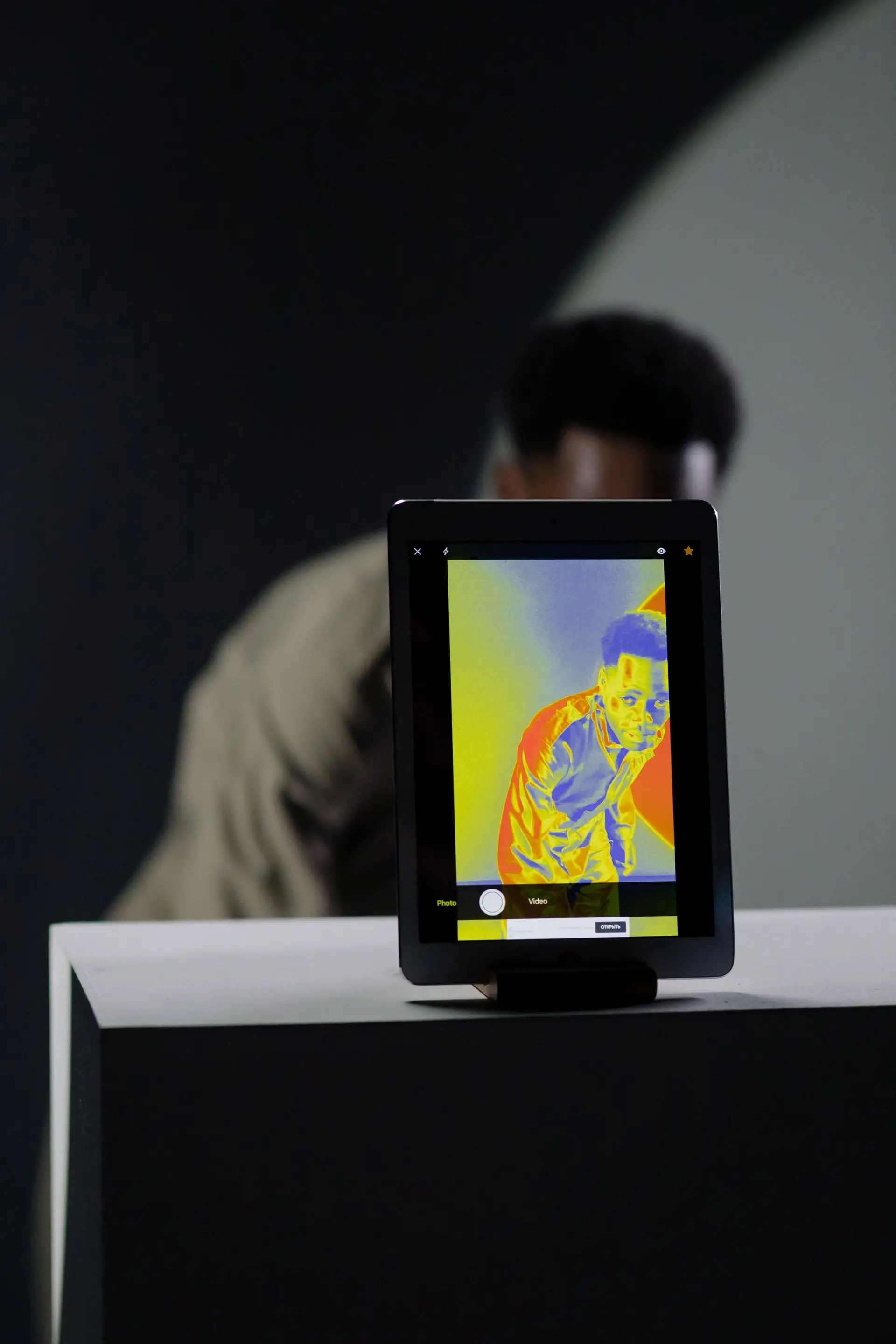
Our FLIR infrared cameras see what the naked eye cannot. We detect hidden water leaks behind walls, under floors, and inside ceilings without removing a single tile or board. Fast, accurate, and completely non-invasive.
020 3912 0200Thermal imaging leak detection uses an infrared camera to find hidden leaks by reading the temperature pattern water leaves on walls, floors and ceilings, so nothing has to be opened up. In London a thermal survey costs from £150 (usually £150 to £250) and takes one to two hours. It works best on hot water and heating pipes, and where the contrast is weak we confirm the result with acoustic or tracer gas equipment.
How FLIR Thermal Imaging Detects Hidden Leaks
Every object emits infrared radiation based on its temperature. When water leaks from a pipe behind a wall or under a floor, it changes the surface temperature of the surrounding materials. These temperature changes are invisible to the naked eye, but a FLIR thermal imaging camera captures them in vivid detail.
Our engineers use professional-grade FLIR cameras capable of detecting temperature differences as small as 0.05 degrees Celsius. A leaking hot water pipe creates a warm area on the surface above it; a cold water leak can show as a cooler zone as the water evaporates.
A whole room can be scanned in minutes. We often combine thermal imaging with our acoustic leak detection service to confirm findings and pinpoint the exact pipe failure. To see how the camera fits alongside the other tools, read our guide to leak detection equipment.
What Thermal Imaging Can Detect
Leaks Behind Walls
Water escaping from pipes inside wall cavities changes the surface temperature of the plaster or plasterboard. Our cameras detect these temperature variations and map the moisture pattern, allowing us to trace the leak back to its source without removing any wall covering.
Under-Floor Pipe Leaks
Hot water pipes running beneath floor screeds, tiles, or floorboards create thermal signatures when they leak. This is particularly useful for detecting leaks in underfloor heating systems where the pipes are buried in concrete. Our thermal survey identifies the exact location of the leak before any floor is lifted.
Ceiling and Flat Roof Leaks
Water ingress through flat roofs or from above-floor plumbing creates damp patches that show clearly on thermal imaging. We can map the full extent of the moisture and identify where the water is entering, which is often not directly above the visible damp patch.
Central Heating Pipe Leaks
Heating pipes running under floors or through walls create hot spots when they leak. Thermal imaging is ideal for locating these because the temperature difference between the heated water and the surrounding structure is significant and easy to detect.
Shower, Bath and Wet Room Leaks
Failed tray seals, grout lines and waste connections let water track into the floor and the wall behind. A thermal scan shows how far the water has spread, and we then test each part of the shower separately so the report names the component that has failed rather than just the damp area.
Advantages Over Traditional Leak Detection
Without a camera, finding a hidden leak means a process of elimination: cutting into walls, lifting floorboards and removing tiles until the wet pipe turns up. Thermal imaging replaces that with a live heat map. There is no drilling and no mess, and you can watch the results on screen as we work.
- Zero damage to your property during the survey
- Results visible in real time on the camera screen
- Entire rooms scanned in minutes rather than hours
- Detects moisture that is not yet visible to the eye
- Works through plaster, tiles, wood, and screeds
- Full photographic report produced on site
How a Thermal Imaging Leak Survey Works, Step by Step
Thermal imaging needs a temperature difference to work with. For a suspected heating leak we will usually ask you to have the heating on for a while before we arrive; for a hot water leak, running a hot tap when we start does the same job. Where you can, clear furniture away from the walls and floors in question.
Initial Assessment
We inspect the property, check water meter readings and boiler pressure, and discuss the symptoms you have noticed, such as a damp patch, a rising bill or a boiler that keeps losing pressure. This tells us which system to test first.
Thermal Scan
Our FLIR camera scans walls, floors, and ceilings in the affected areas, detecting temperature variations as small as 0.05 degrees. We scan from more than one angle so that reflections are not mistaken for moisture.
Analysis and Mapping
Thermal images are analysed to identify moisture patterns and trace them back to the leak source. A pipe run shows as a line; a leak shows as a spreading bloom that is strongest at the point of escape.
Confirmation
Where needed, we confirm findings using acoustic detection, tracer gas or moisture meters, and isolate individual circuits to prove which pipe is losing water.
Report and Repair
The leak position is marked on the surface, and you receive a written report with the thermal images and readings. Where possible, the leak is repaired during the same visit.
What a Thermal Leak Detector Cannot Do
A thermal camera is a very good first tool, but knowing its limits is what separates a reliable survey from a guess. These are the situations where our engineers back a thermal image up with another method.
No temperature difference, no picture
The camera reads surface temperature. A cold water pipe sitting at roughly room temperature gives very little contrast, so a cold mains leak can be invisible on screen. Heating and hot water leaks are much easier to see because the escaping water is warmer than its surroundings.
Shiny surfaces reflect heat
Glazed tiles, glass, mirrors, polished stone and metal reflect infrared from other objects in the room, including the engineer. A warm reflection can look like a leak, which is why we change angle and check with a moisture meter before marking anything.
Depth and thick materials blur the signal
A pipe buried deep in a concrete slab or behind thick masonry spreads its heat over a wide area before it reaches the surface. The camera can show the general zone, and acoustic or tracer gas equipment is then used to narrow it down to a repair point.
Other things look like damp
Cold bridging, gaps in insulation, draughts, recent sunshine on an external wall and damp from condensation or rain penetration can all create patterns similar to a plumbing leak. A stain on a ceiling is not always a leak at all.
If the stain you are looking at has not grown and there is no loss of pressure or rise in water use, read damp patch on the ceiling but no leak before booking. It may save you a survey.
What Your Thermal Imaging Report Contains
Every survey ends with a written report. It is written so that a plumber can go straight to the repair point and so that an insurer or managing agent can see what was tested and what was found. A typical report includes:
- The property details, the symptoms reported and the date of the survey
- Which systems were tested and the pressure or meter readings taken
- Thermal images with the temperature scale, paired with ordinary photographs of the same spot
- Moisture meter readings across the affected area
- The confirmed leak position, marked on site and described in the report
- The likely cause and a recommended repair, with the access needed to reach it
If you are making an escape of water claim, our escape of water claim evidence checklist lists the photographs and paperwork to gather alongside the report, and our trace and access page explains how the survey fits into a buildings insurance claim.
Thermal Imaging Leak Detection Cost in London
A thermal imaging survey starts at £150. Where the price lands within a range depends on the size of the property, how many rooms or floors need scanning, how easy the areas are to reach and whether the camera result needs confirming with a second method. These are our published prices for the surveys a thermal job most often involves:
The survey is carried out on a no find, no fee basis and the written report is included. The price covers finding the leak; the repair is quoted separately once we know what has failed. For a sense of what the repair and making good tend to cost, see our guide to hidden water leak repair costs in London, and our pricing page lists every service.
When to Combine Thermal Imaging with Other Methods
Thermal imaging is highly effective as a standalone method for many domestic leaks. However, there are situations where combining it with other detection technologies gives better results. For leaks buried deep under concrete slabs, our acoustic leak detection equipment can hear water escaping at depth where thermal signatures may be less pronounced.
For underfloor heating leaks, thermal imaging is usually the first-choice method because the heated water creates a strong thermal contrast. We also use it extensively for central heating leak detection where pipes run through floor voids and wall cavities. For the broadest range of leak types, see our main water leak detection page.
Thermal Imaging Leak Detection Questions
What is thermal imaging leak detection?
How much does thermal imaging leak detection cost in London?
Can thermal cameras see through walls?
How accurate is thermal imaging for finding leaks?
Does thermal imaging work on cold water leaks?
Can thermal imaging find a leak under tiles or behind a shower?
Should I buy or hire a thermal leak detector instead?
Is a thermal imaging report enough for an insurance claim?
What happens if the thermal survey does not find the leak?
Book a Thermal Survey
Same-day thermal imaging surveys available across London. Non-invasive, fast, and accurate.
020 3912 0200Insurance Reports Included
Every thermal imaging survey includes a written report with infrared photographs, moisture mapping, and leak location documentation, set out so you can pass it straight to your insurer or claims handler.
Free Quote
Get a No-Obligation Leak Detection Quote
Tell us what's happening and we'll come back to you with a clear price for the investigation. No pressure, no hidden fees. Or if it's urgent, just ring us. We pick up 24/7.
Prefer to talk? Call 020 3912 0200